

01
Task planning
The agent breaks a request into steps, works out what it needs and keeps track of where each task is.
AI agent development for multi-step tasks that span several systems.
We build AI agents that gather information, check your records, prepare the next action and ask a person to approve it. Each agent is scoped to one job, uses only the tools you allow and logs what it did.
No upfront consultation fee. Free discovery and a free tailored proposal.
 Request read from the purchasing inboxDone
 Checked against the supplier master listNo duplicate
Many tasks aren't hard, just scattered. Someone opens five systems, copies details between them and chases colleagues for updates before anything moves.
A chatbot answers a question. An agent works through the steps: it plans, uses the tools you've approved and stops for a person where it matters.
The agent breaks a request into steps, works out what it needs and keeps track of where each task is.
It works from your policies, records and approved sources, and links each fact back to where it was found.
Your systems become permitted actions, such as reading a record, creating a draft or posting an update. Nothing outside that list.
Reads forms, contracts and attachments, pulls out what the task needs and files them in the right place.
Sending, paying, changing or deleting records waits for a named person, with the agent's reasoning beside it.
Each run records its steps, the tools used and the decisions made. Failures are retried or alerted, not guessed around.
Rules decide what the agent may do. AI reads, plans and drafts, and a person approves anything that changes your records or leaves the business.
An agent is only as useful as the systems it can reach. Each connection is set up as a specific permitted action, not open access.
Gmail Slack
 Google Drive
 Notion
 HubSpot
 SalesforceGoogle Sheets
 Airtable
 Claude
 OpenAI
 Gemini
 n8n
Each connection depends on the system's API, your licences and the permissions you grant. We scope every tool to the least access the task needs.
API Integrations →Behind each agent is a simple chain: the input, the agent's reasoning, a list of permitted tools, validation, approval where needed and then the output. This is how each link is kept in bounds.
Actions that change records wait for a named person.
Two live client research systems where agents source, enrich and draft and people approve, plus solution showcases for contract review, CV screening, lead lists and quotations.
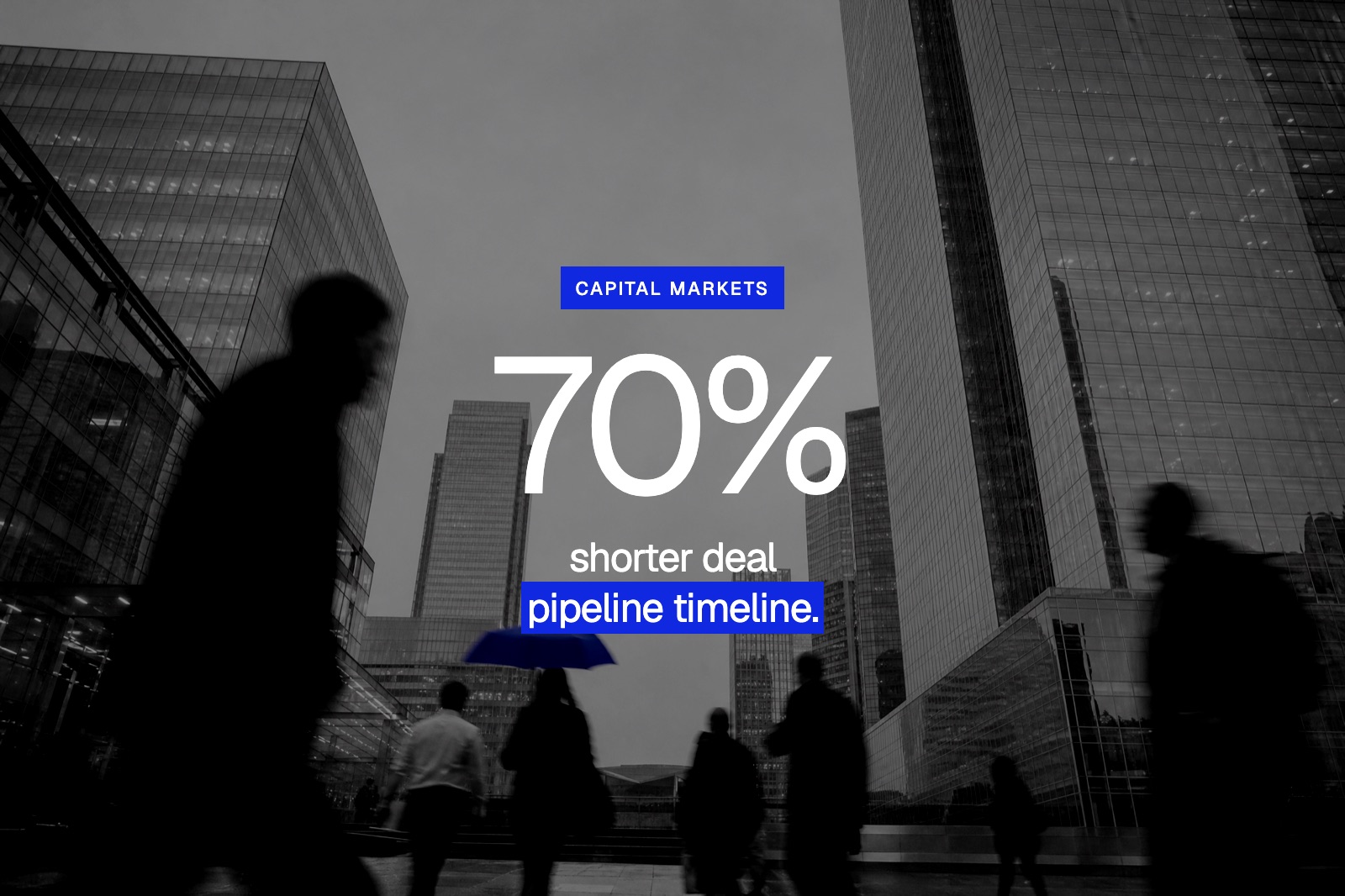 Capital markets · Research & outreachHow a Capital-Raising Team Cut Investor Research from 15 Minutes to 170%shorter deal pipeline timeline15×faster than by handRead the case study →
 Private credit · Company intelligenceHow a Private Credit Firm Researches a Target Desk in About 7 Minutes~7 minper desk, unattended90%+coverage on target desksRead the case study →
 Law Firms
Contracts checked clause by clause against your playbook, with cited issues ready for a lawyer to review and decide.
See the workflow → Recruitment
CVs summarised against the job's requirements and interviews self-booked, while recruiters make every decision.
See the workflow → Sales Teams
One sentence in, a list of local businesses with business contacts out, de-duplicated and reviewed before import.
See the workflow → Manufacturing
Multi-item RFQs read from email, matched to your catalogue and priced by your rules, ready for sales to approve.
See the workflow → E-Commerce
Competitor prices, stock forecasts and profit in one view, with restock orders drafted for the owner to approve.
See the workflow →We pick one task, map how it's done today and agree what a good result looks like, using real examples.
We agree the tools the agent may use, what it may do on its own and where a person approves.
We build the agent and test it against your examples, including awkward ones, before it touches live work.
We run it on live work with close review, tune it, then add tasks one at a time.
Every project has an agreed scope and acceptance criteria before the build starts.
Every agent is different, so we scope yours around the task, the tools it needs and the approvals you want. These factors shape it.
Straight answers about scope, data, ownership and support. Can’t find yours? Ask us directly below.
A chatbot mainly answers questions in a conversation. An AI agent works through a task: it plans the steps, reads your records and approved sources, uses permitted tools such as your CRM or spreadsheets, and prepares or takes the next action. Where an action matters, it stops for a person to approve. If you mainly need to answer customers, see AI chatbot development.
Multi-step work that follows a pattern but needs some reading or judgement: researching a company or supplier, triaging requests, gathering details from several systems, drafting summaries and recommendations, and preparing record updates. Tasks with fixed rules and no judgement are often better as plain workflow automation.
Most systems with an API or a permissioned automation layer, subject to access, licensing and scope. We connect agents to CRMs like HubSpot, workspaces like Notion, Slack and Google Drive, spreadsheets and databases, and orchestration platforms like n8n, Make and Zapier. Private databases are reached through read-only or narrowly scoped accounts. Each tool is set up as a specific action with scoped permissions, so the agent can only do what you allow.
Yes. You decide in scoping which actions need approval. Typically an agent can read, search, summarise and draft on its own, while sending messages, changing records, spending money or deleting anything waits for a named person. Limits are set per tool and can be tightened later.
No agent is error-free, so the design assumes mistakes can happen. Outputs are checked against rules before they're used, the agent records which data it used, and missing data or low confidence stops the run and alerts a person rather than guessing. Approval steps catch errors before they reach your records, and the run log shows what happened so it can be corrected.
We are model-neutral. We build on models such as Claude, OpenAI's models and Gemini, with orchestration, function (tool) calling, memory and retrieval (RAG) so the agent works from your own sources. For tool execution we use n8n, Make or Zapier and direct API integrations. We choose the stack that fits your accuracy, speed, cost and data-sensitivity needs.
Often, yes. We minimise the data each agent touches, keep secrets and API keys out of prompts, and can design hosted, bring-your-own-key or private setups, including keeping the data layer on your own infrastructure. If the agent calls a cloud AI model, the data it sends is mapped and agreed during scoping. Data handling, AI providers and hosting are confirmed per project.
You own the bespoke deliverables built for your project under our agreement, such as the prompts, tool definitions and configuration we create for you. Framworq keeps its pre-existing tools and reusable components, with the rights your team needs to use the system. It runs in your accounts and infrastructure where possible, and we hand over documentation so your team can run and extend it.
No. We build in logging and error alerts and hand over documentation so your team can run the agent. If you prefer, you can choose a separate plan covering monitoring, prompt and tool tuning, and model upgrades.
Tell us about a task that takes your team across several systems. We'll show you where an agent fits and where a person should approve, and prepare an initial plan around it.