

01
Directory extraction
Listings from public directories, association member lists and marketplaces, collected into the fields you agree.
Structured collection and monitoring of accessible public or licensed data, for teams in Malaysia and beyond.
We build data extraction pipelines that collect the fields you need from permitted sources, normalise and de-duplicate them, and deliver them as a dataset, a scheduled feed or straight into your systems. Each source is assessed for its terms, access rules and feasibility first.
No upfront consultation fee. Free discovery and a free tailored proposal.
Teams copy data from websites by hand, from scattered sources in different formats, and the list is out of date before it's finished.
We treat collection, cleaning, refresh and delivery as separate parts of the scope, so you only build what you need.
Listings from public directories, association member lists and marketplaces, collected into the fields you agree.
Profiles built from company websites and public announcements, with each detail linked to the page it came from.
Product pages checked as often as the source permits, with price, stock and promotion changes detected between runs.
Records filled in from other permitted sources, with gaps marked as missing rather than guessed.
Runs on a schedule, with request rates kept within each site's limits. Empty or unusual results are flagged, not saved.
Duplicates merged across sources, then delivered as CSV or JSON, or written to a sheet, database or CRM.
Rules control which sources are read, how often and how fast. AI helps only where reading or matching needs judgement, and people check what gets used.
A dataset is only useful where your team works with it. We deliver clean records to the tools that use them.
 Google Sheets
 Airtable
 PostgreSQL
 MySQL
 Google BigQuery
 Snowflake
 HubSpot
 Slack
What we can collect depends on each source's terms, access rules and any licence. Where a source offers an official API or licensed feed, we prefer it.
Dashboard development →Not every website can or should be scraped. We assess each source before building and tell you if a use case looks risky.
Each source is assessed before any collection starts.
A dataset is only useful if you know how far to trust it, so each record carries its own quality signals.
The page or feed behind each record and its collection date are stored, so any detail can be traced back.
Fields are checked against agreed formats. Missing values are marked as missing, not filled with guesses.
Matches and merges carry a confidence flag, and each record shows when it was last refreshed.
Collected data reflects what each source published at the time. Records are not independently verified unless verification is part of the agreed scope.
Two live research tools that collect and screen public data, with sources kept against each record, plus solution showcases for Google Maps lead lists and competitor price tracking.
 Capital markets · Research & outreachHow a Capital-Raising Team Cut Investor Research from 15 Minutes to 170%shorter deal pipeline timeline15×faster than by handRead the case study →
 Private credit · Company intelligenceHow a Private Credit Firm Researches a Target Desk in About 7 Minutes~7 minper desk, unattended90%+coverage on target desksRead the case study →
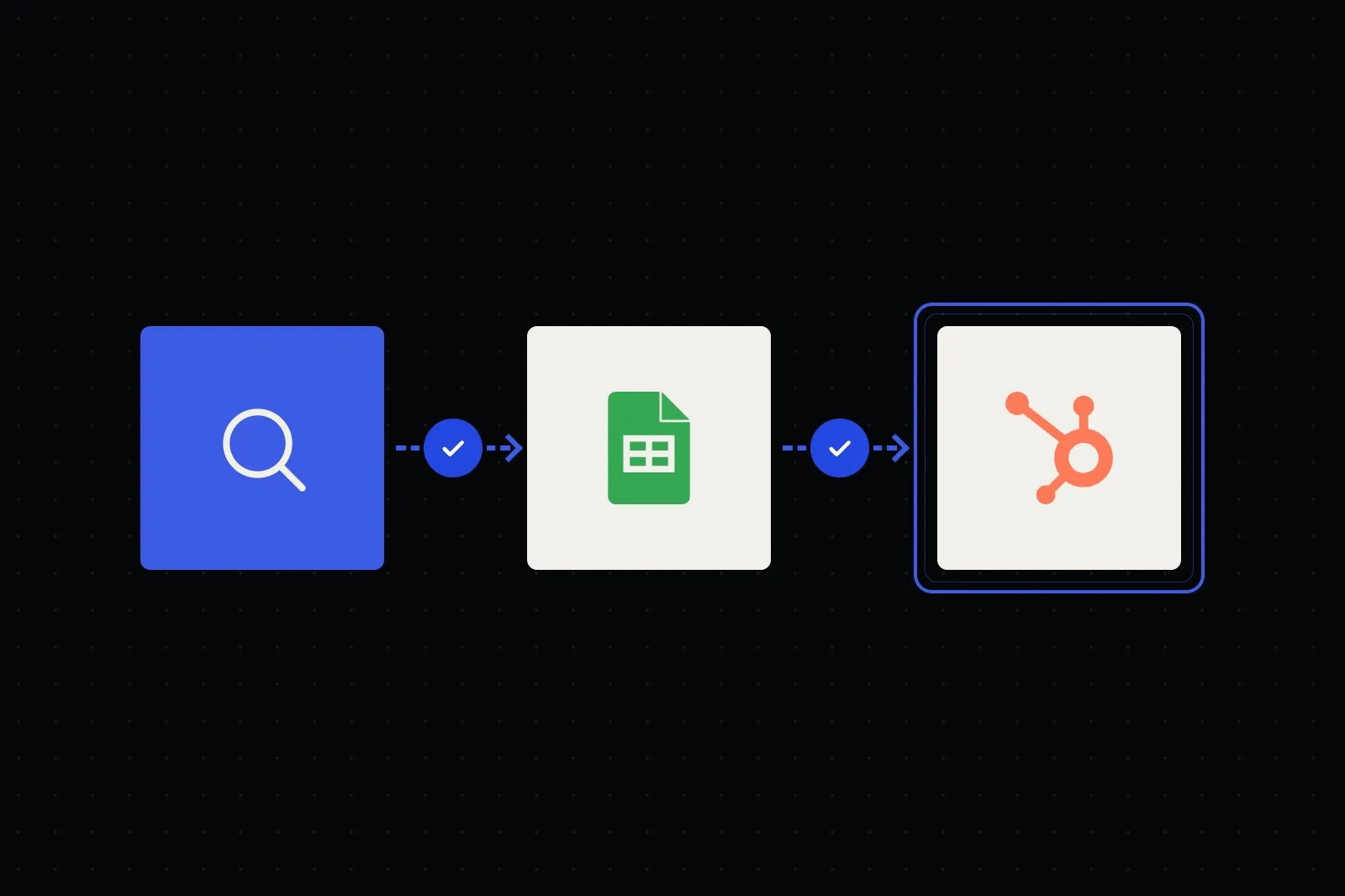 Sales Teams
One sentence in, a list of local businesses with business contacts out, de-duplicated and reviewed before import.
See the workflow →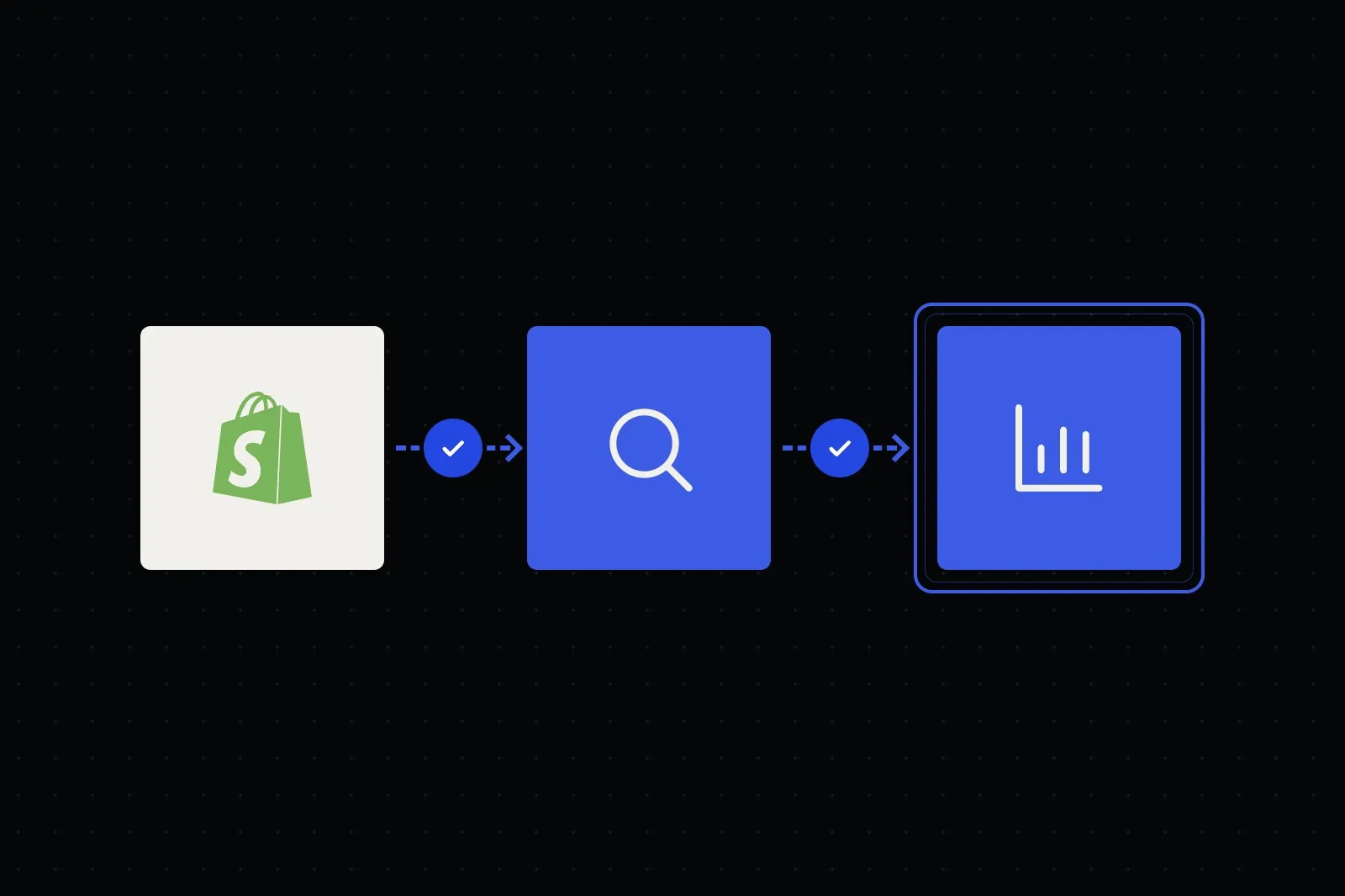 E-Commerce
Competitor prices, stock forecasts and profit in one view, with restock orders drafted for the owner to approve.
See the workflow →We review each source's terms, access rules and structure, and suggest alternatives where needed.
We agree the fields, formats, refresh frequency and the quality checks for each run.
We collect a sample dataset so you can check coverage and accuracy before the full build.
We deliver the dataset or schedule the pipeline, with alerts when a source changes.
Every project has an agreed scope and acceptance criteria before the build starts.
Every data project is different, so we scope yours around the sources, fields and delivery involved. These factors shape it.
Straight answers about scope, data, ownership and support. Can’t find yours? Ask us directly below.
No. Some sites prohibit automated access in their terms, block it technically, or hold data that needs a licence or a lawful basis to use. Logged-in areas are an option only where you have the right to access them and the terms allow it. We don't build around logins, CAPTCHAs or blocks designed to stop automation. Where a source isn't suitable, we suggest an official API, a licensed data provider or an alternative source.
Publicly accessible sources where collection is permitted, such as business directories, e-commerce catalogues and prices, marketplaces, property portals, review sites, job boards and company websites. We extract structured fields such as names, categories, prices, stock, ratings and addresses, and can render JavaScript-heavy pages, paginate and follow links. Each source gets a check of its terms, data licence, privacy and technical feasibility first.
It depends on the source, the data and how it is used, so we review each use case. We focus on publicly available data, check robots.txt and each site's terms, avoid personal data you have no lawful basis to collect under the PDPA and other applicable law, and throttle requests so we don't overload a site. Where an official API exists we prefer it. If a use case looks legally risky, we tell you before building and may recommend legal or contractual review.
As accurate as the source and the checks allow. Each record keeps its source and collection date, fields are validated against agreed formats, and missing values are marked rather than guessed. Collected data reflects what the source published at the time, so it isn't verified unless verification is in scope. We agree accuracy and completeness criteria before the build.
Sometimes, depending on the source. Many platforms, including Google Maps, restrict scraping in their terms, so we check terms, official APIs such as Google Places, data licences and privacy rules first. Where collection is permitted, we extract business names, categories, addresses, websites and ratings across a location or niche, then de-duplicate them into your sheet, database or CRM. Contact data needs a lawful basis for how you plan to use it.
As often as the use case needs and the source permits, from hourly price and stock checks to daily or weekly directory sweeps. For price and product monitoring we detect changes between runs and can send alerts or feed a dashboard, so you see competitor moves without checking sites by hand.
Wherever it's most useful to you. We can deliver CSV or JSON files, write clean, de-duplicated records to Google Sheets or Airtable, load them into PostgreSQL, MySQL, BigQuery or Snowflake for analysis, or push them into a CRM such as HubSpot. For reporting on top, see our dashboard development service.
Sites change, and scrapers break, so we build in checks that flag a run returning no data or unexpected fields, and hold it instead of overwriting good records. With a maintenance plan, we update the scraper when a site is redesigned. Without one, the alerts and documentation help your team fix it, so you're not left with silent gaps in your data.
You own the bespoke scrapers and documentation built for your project under our agreement, and the delivered data is yours to use within each source's terms and licence. Framworq keeps its pre-existing tools and reusable components, with the rights your team needs to use the system. Any licensed data or API fees sit with you. We're based in Kuala Lumpur and work with clients across Malaysia and abroad, remotely.
Tell us the sources you have in mind and how you'll use the data. We'll check what can be collected responsibly and prepare an initial plan for a dataset or a scheduled pipeline.